
Made to do more.

Biological
Integrity

The Right
Ratio

Low
Viscosity

Sustained
Improvement

Single Dose
Success
Biological Integrity
Naturally Derived to Maintain Biological Integrity
Derived from calf lung lavage, this approach preserves the biological integrity of the surfactant and avoids the need for minced modification seen in mince-derived alternatives.
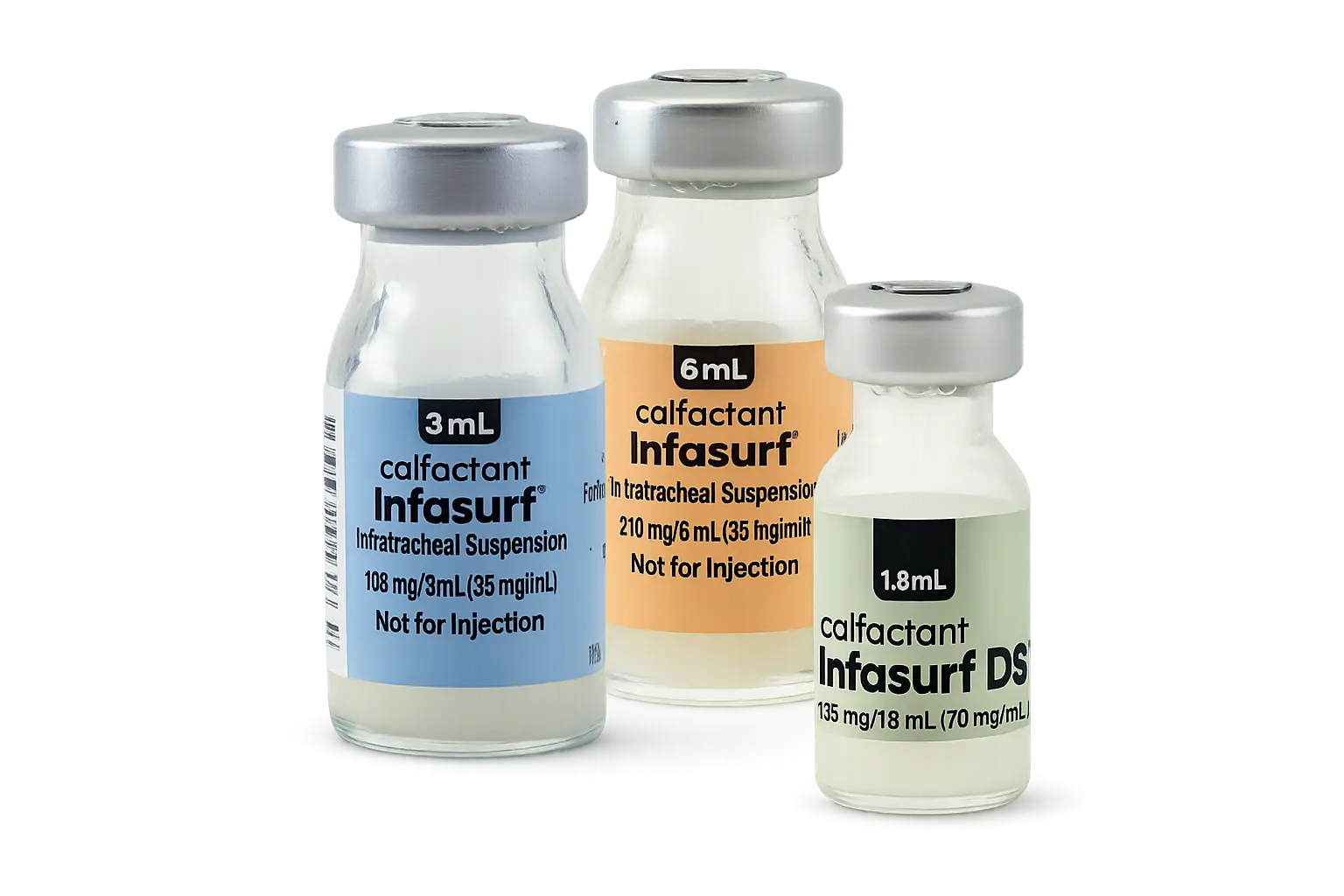
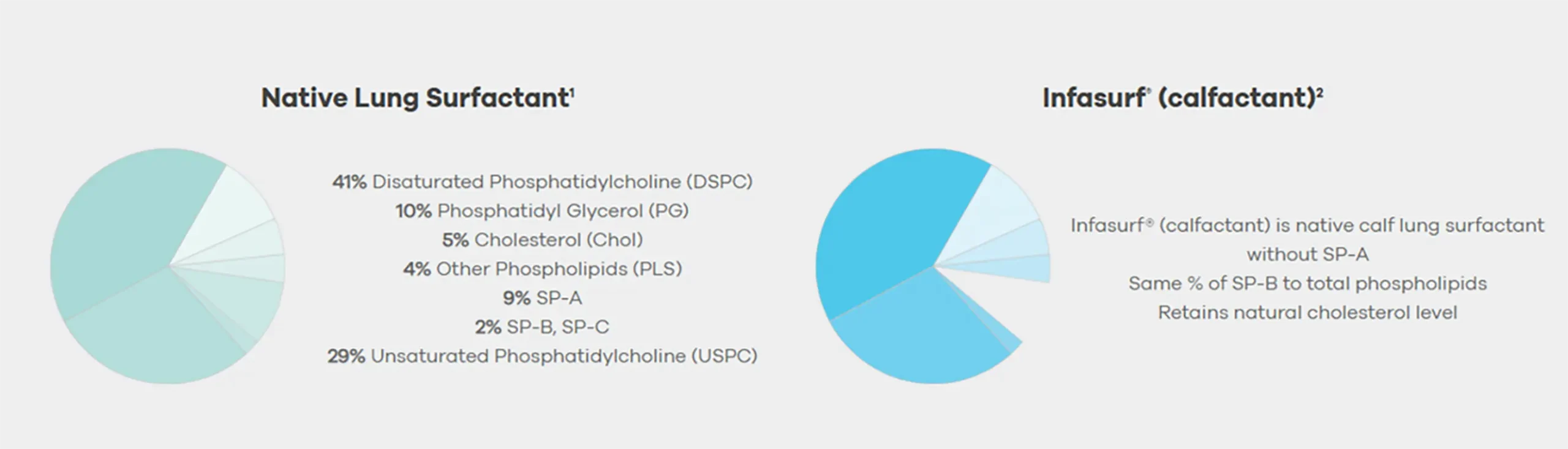
- All essential components of native calf lung surfactant are maintained in Infasurf® (calfactant) due to our unique lavage manufacturing process2
- Surfactant protein B (SP-B) is essential for forming the surfactant film that lines the alveoli3,4
- Infasurf® (calfactant) is the only surfactant that retains natural cholesterol, which aids the rapid spread of the surfactant film during respiration5
The Right Ratio
Potency Starts with the Right Ratio
Derived from calf lung lavage, this approach preserves the biological integrity of the surfactant and avoids the need for minced modification seen in mince-derived alternatives.
Compositional Comparison
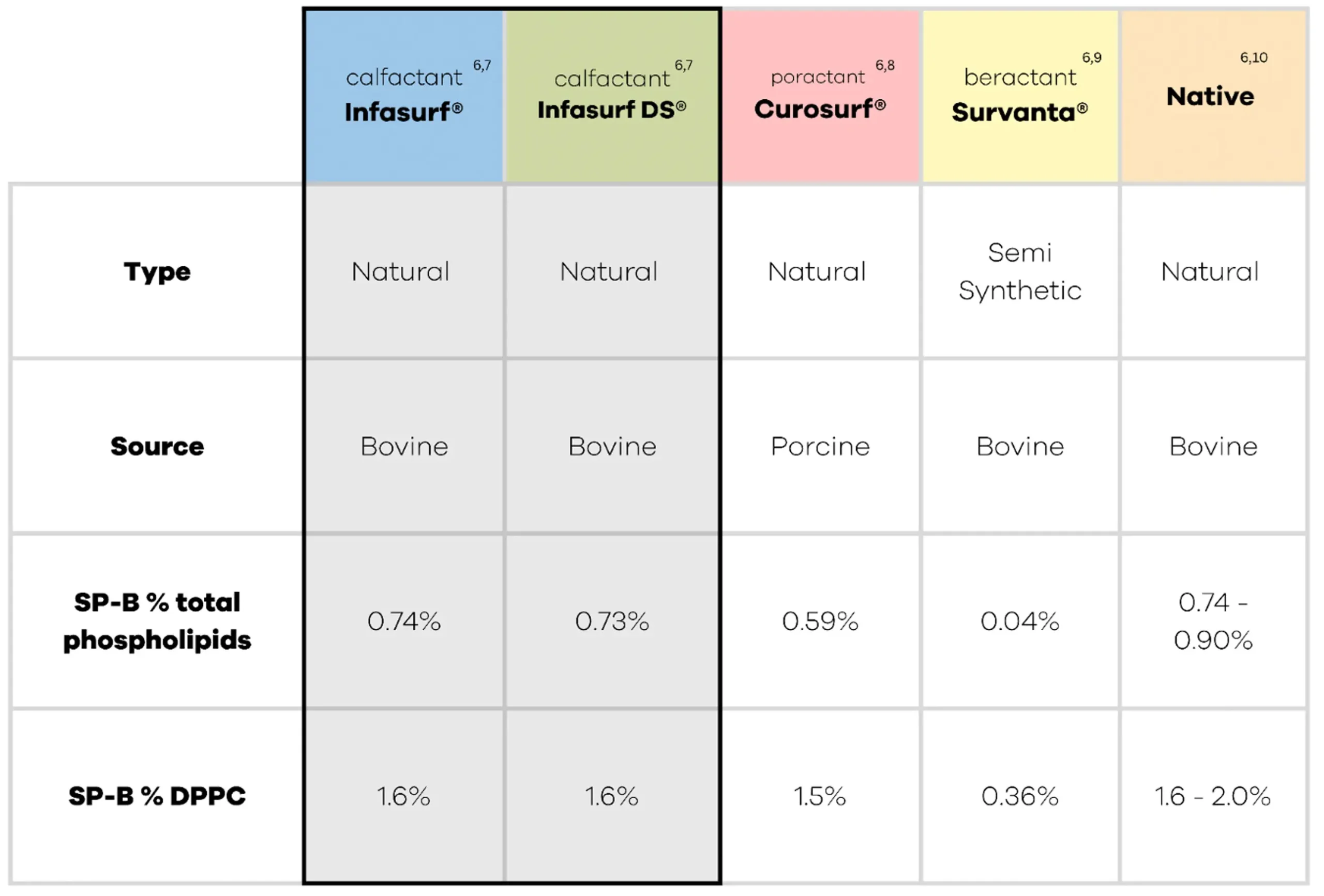
Preclinical and biologic testing do not predict clinical effects.
Table does not imply clinical superiority of Infasurf® (calfactant).
Infasurf’s SP-B content (0.74%), as a percentage of total phospholipids, helps reduce surface tension.3
Quickly Lowering Surface Tension11,12:
- Helps prevent alveoli collapse
- Increases ability to achieve equal distribution in the lung
- Promotes rapid respiratory recovery by increasing lung compliance.
Infasurf demonstrates surface tension lowering activity similar to native lung surfactant11
In Vitro Studies: Surface Tension Lowering
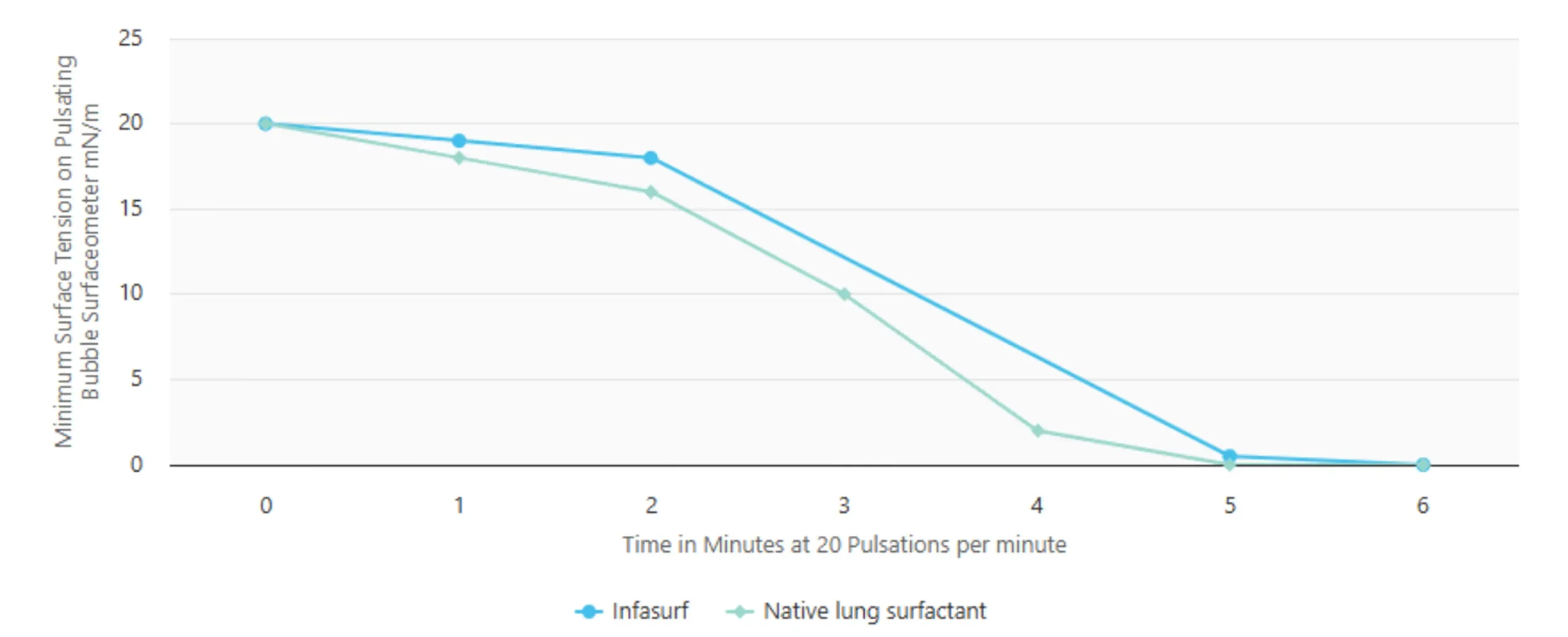
Preclinical and biologic testing do not predict clinical effects. While clinical studies have demonstrated that SP-B is an essential element, they have not determined the minimum SP-B to phospholipid ratio required for optimal surfactant efficacy.
Higher concentrations are required by Curosurf® (poractant alfa) to reach zero surface tension; Survanta® (beractant) never reaches zero surface tension
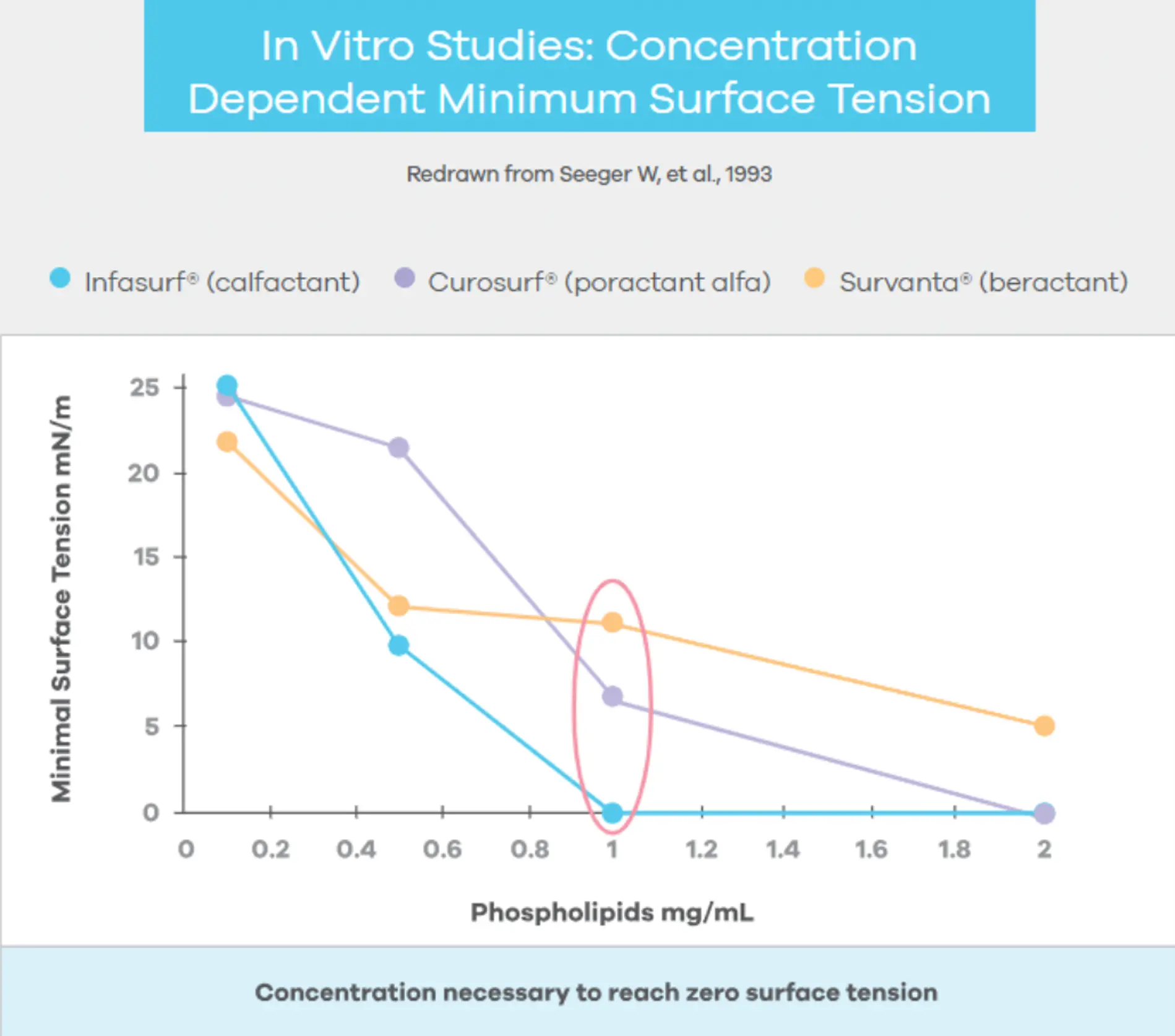
There are no prospective, randomized clinical trials comparing Infasurf® and Curosurf® with respect to safety or efficacy.
Safety Information: Infasurf (calfactant) should be administered under the supervision of clinicians experienced in the acute care of newborn infants with respiratory failure who require intubation. Rapid and substantial increases in blood oxygenation and improved lung compliance often follow Infasurf instillation/ Close clinical monitoring and surveillance following administration may be needed to adjust oxygen therapy and ventilator pressures appropriately.
Low Viscosity
Optimally Delivered by Lower Dynamic Viscosity.2
Infasurf has lower dynamic viscosity than Curosurf®(poractant alfa) and Survanta®(beractant)2
Dynamic Viscosities of Lung Surfactants2
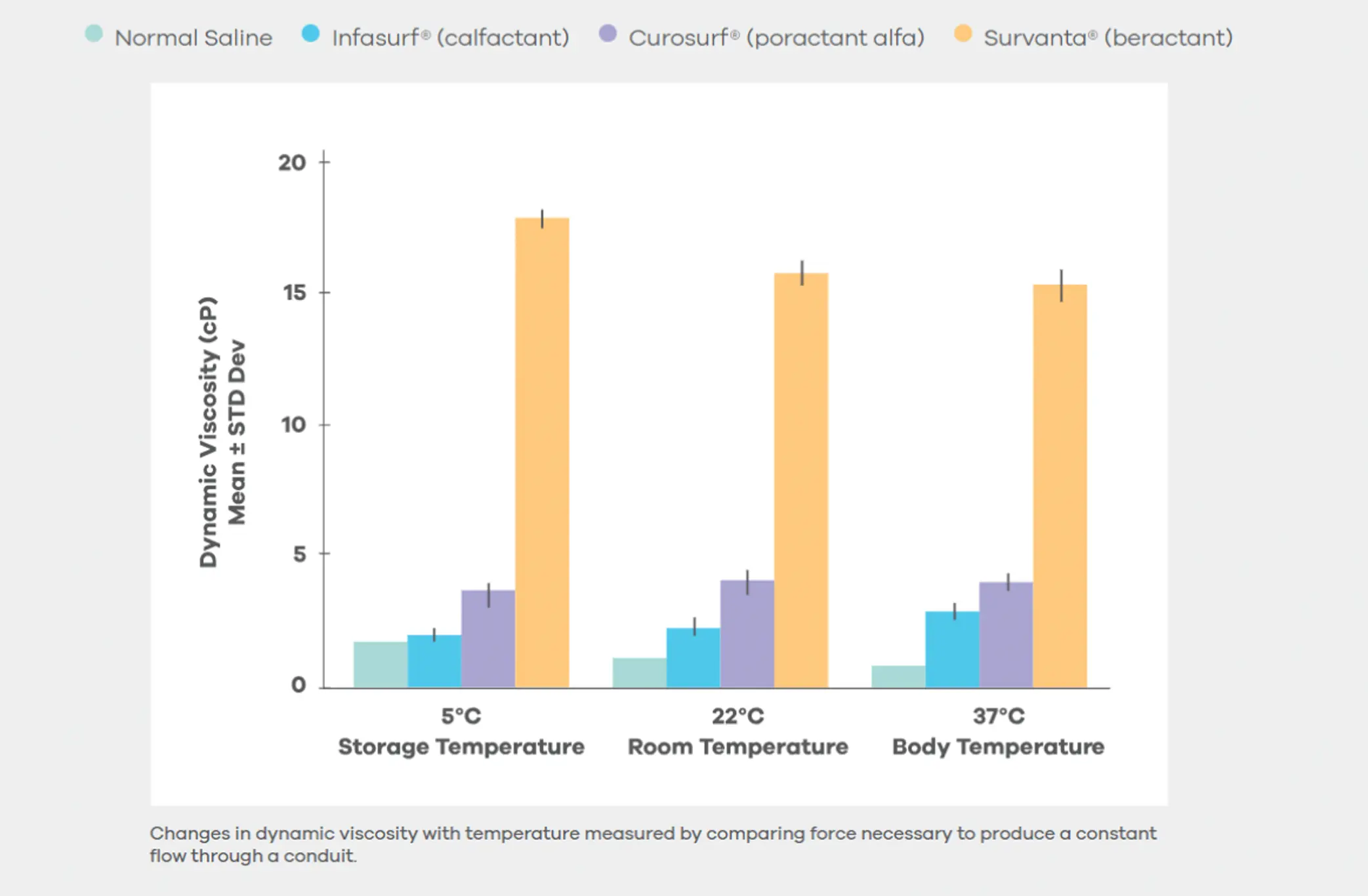
- Low resistance to flow (dynamic viscosity) may improve the uniformity of distribution in the lung.
- Infasurf’s unique composition and low viscosity allows for fast distribution to the distal airways2.
- Dynamic viscosity is only slightly changed by temperature
Sustained Improvement
Clinically Proven for Sustained Duration of Action
Infasurf significantly lowers FiO2 in the first hour, and throughout the next 24 hours

- Potential for less oxygen requirement and less days on mechanical ventilation15
- Infasurf® (calfactant) demonstrates a long duration of action 15,16
Safety Information: Rapid and substantial increases in blood oxygenation and improved lung compliance often follow Infasurf® (calfactant) instillation. Close clinical monitoring and surveillance following administration may be needed to adjust oxygen therapy and ventilator pressures appropriately
Infasurf demonstrates a higher rate of FiO2 improvement compared to Survanta
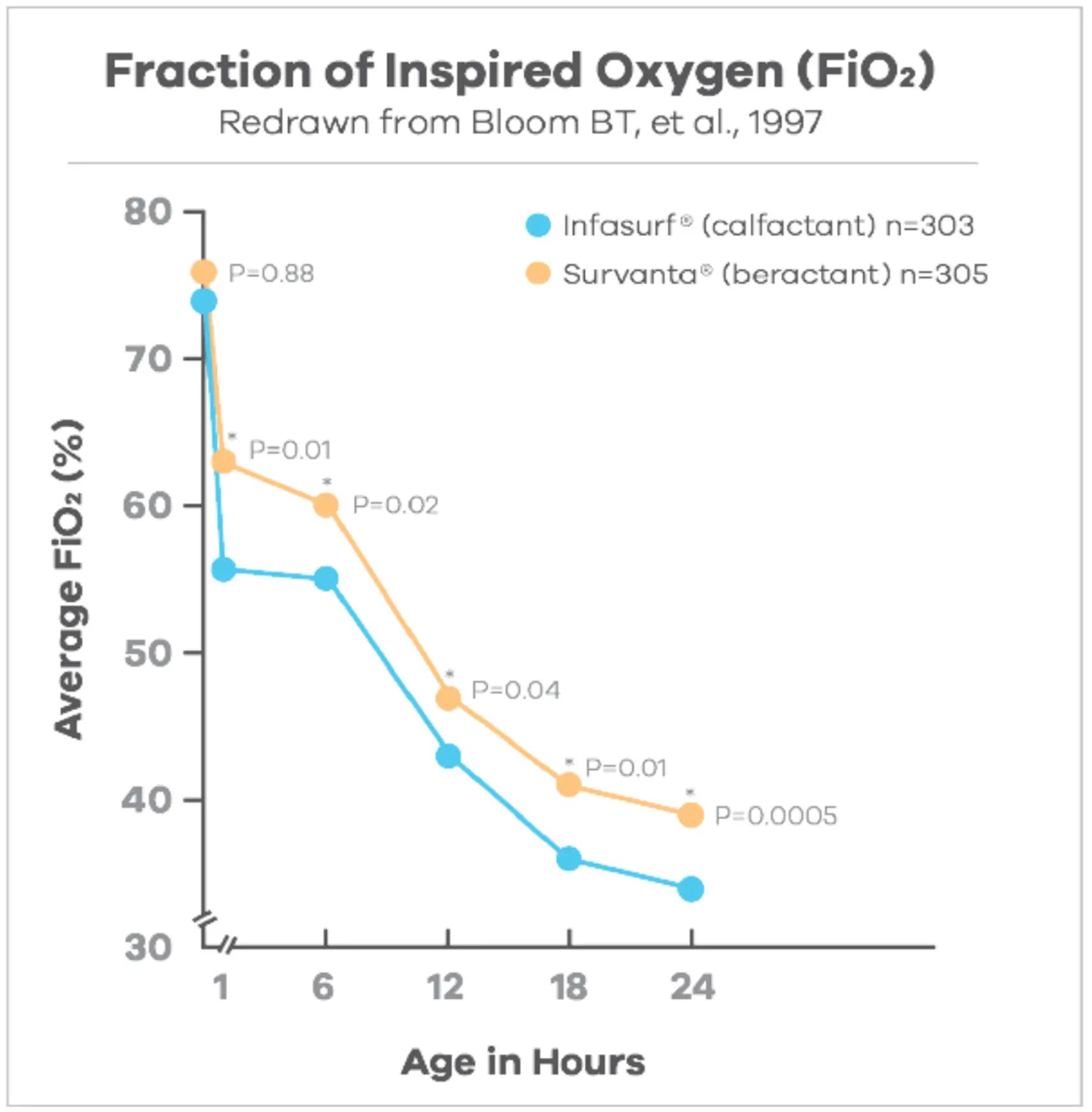
- Infasurf demonstrates a 38% higher rate of FiO2 reduction compared to Survanta in the first hour15
- Infasurf demonstrates a superior rapid onset of action and duration of action compared to Survanta15
- Infasurf significantly lowers FiO2 in the first hour, and throughout the next 24 hours.15
Improvements in FiO2 requirements may not necessarily reduce dosing or predict long term outcomes.
Additional doses of Infasurf may be required.
Single Dose Success
Infasurf demonstrates high rates of single-dose success in two independent studies
Infasurf significantly lowers FiO2 in the first hour, and throughout the next 24 hours
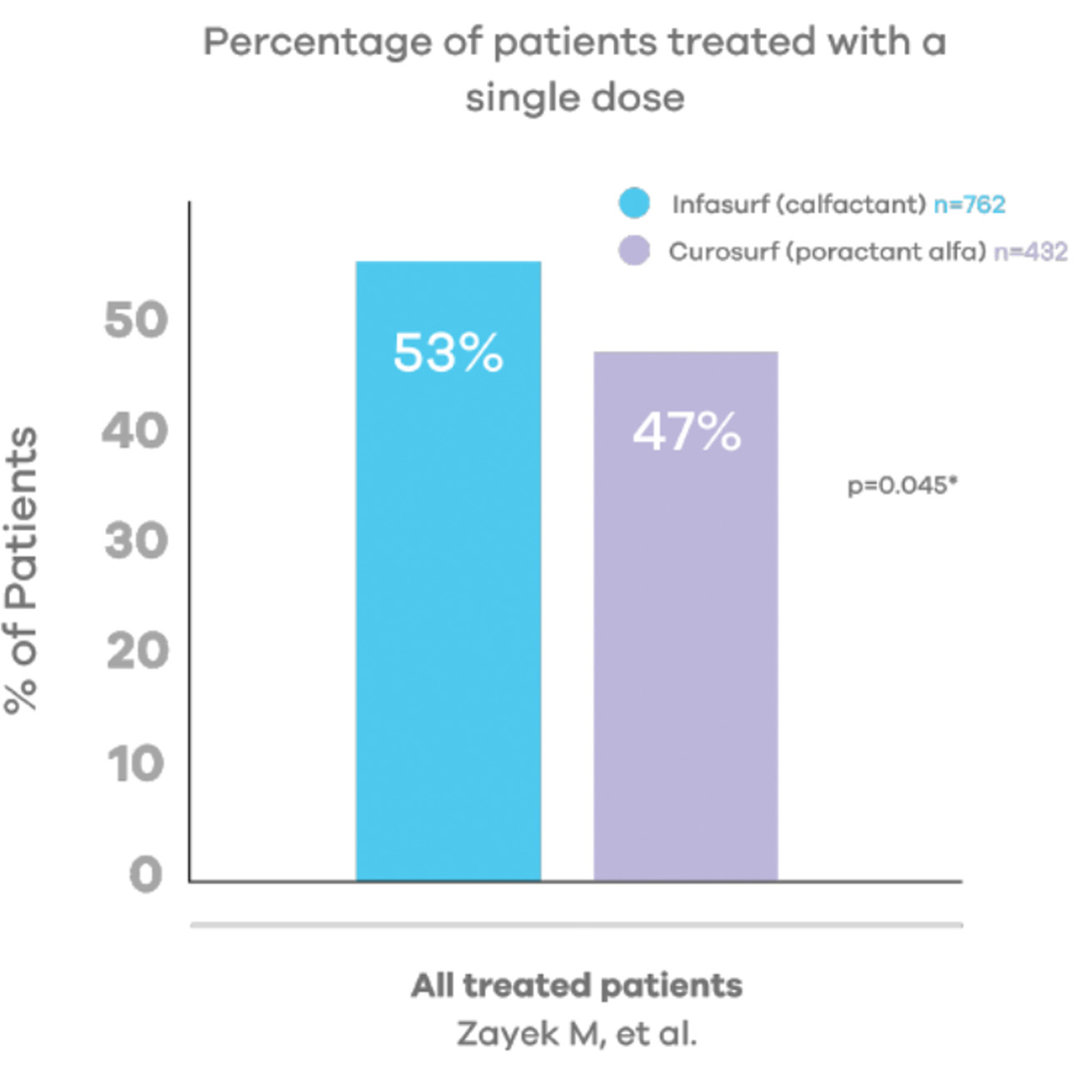
Zayek MM, et al. JPPT. 2018;23(2):146-151.
A retrospective study comparing the pharmacy costs of Infasurf and Curosurf at the University of South Alabama Children’s and Women’s Hospital from 2010-2016. Calfactant was administered to 762 patients over 50 months, an average of 15.2 per month; poractant alfa was administered to 432 patients over 22 months, an average of 19.6 per month.
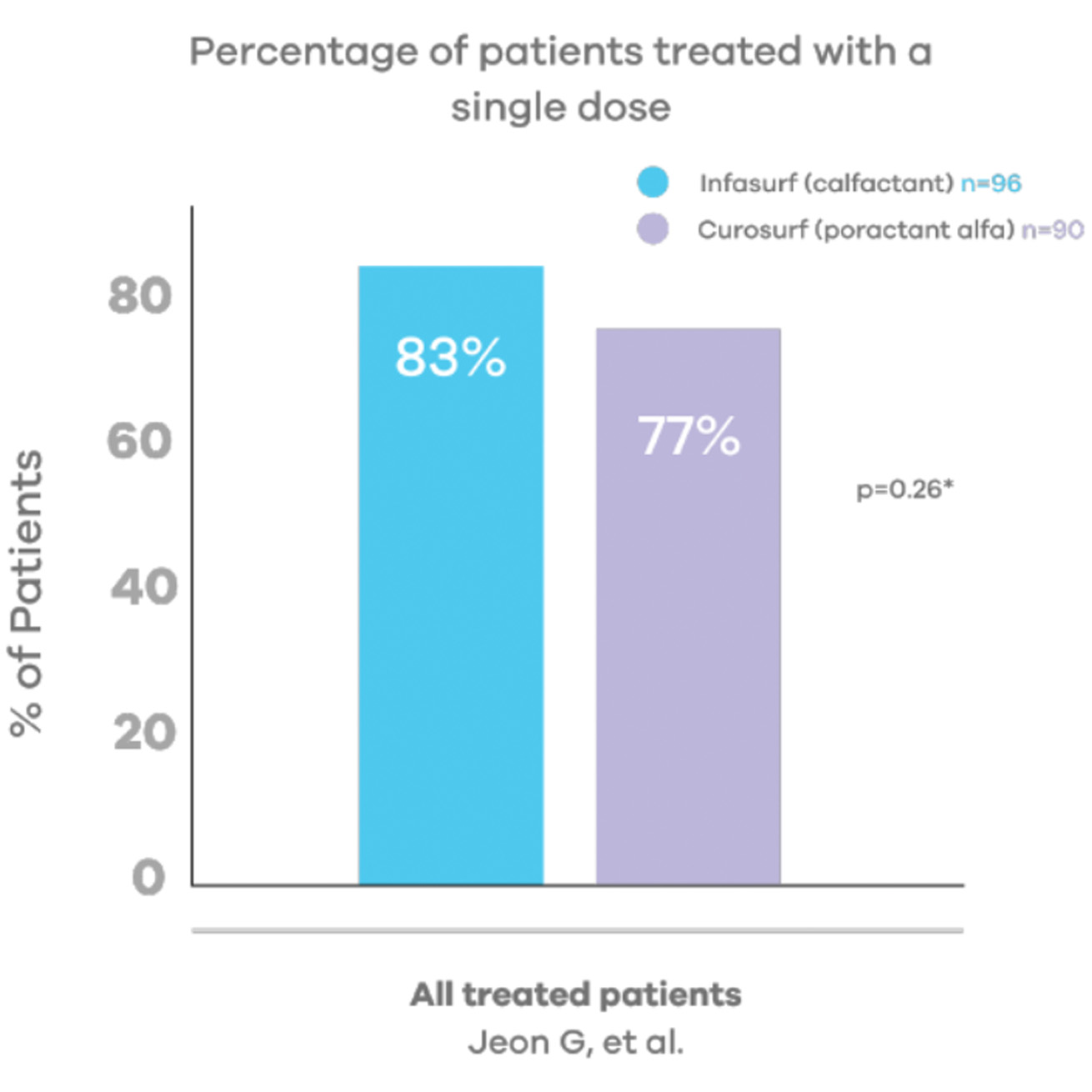
Graph redrawn from Jeon GW, et al. Yonsei Med J. 2015;56(2):433-439.
A retrospective study comparing the efficacy of Infasurf, surfactant-TA and Curosurf. A total of 332 preterm infants at 24‒31 weeks’ gestation with RDS were enrolled and allocated to three groups; Group 1 (n=146, surfactant-TA), Group 2 (n=96, calfactant), and Group 3 (n=90, poractant alfa).
There are no prospective, randomized clinical trials comparing Infasurf and Curosurf with respect to safety or efficacy.
*Proportion of single dose success, Infasurf v. Curosurf
Please see Important Safety Information. Refer to list of Re-Dose Rate Publications.
References:
1. Notter RH. Lung Surfactants. Michael Dekker, New York, 2000, pp 171-232; 319-345. 2. Swartz D, Klein W, Row S, et al. Comparison of dynamic viscosities of lung surfactant drugs. Poster presented Hot Topics. 3. Mizuno K, Ikagami M, Chen C-M, et al. Surfactant protein-B supplementation improves in vivo function of a modified natural surfactant. Pediatr Res. 1995;37:271-276. 4. Hall SB, Vemkitaraman AR, Whitsett JA, et al. Importance of hydrophobic apoproteins as constituents of clinical exogenous surfactants. Am Rev Respir Dis. 1992;145:24-30. 5. Kim K, Choi S, Zell Z, et al. Effect of cholesterol nanodomains on monolayer morphology and dynamics. Proc Natl Acad Sci USA. 2013;110:E3054-60. 6. Notter RH, Wang Z, Egan EA, Holm BA. Component-specific surface and physiological activity in bovine-derived lipid extracts of lung surfactant. Chem Phys Lipids. 2002;114(1):21–34. PMID: 11841823. 7. Infasurf® (calfactant) Intratracheal Suspension Prescribing Information, ONY Biotech, March 2018. 8. Curosurf® (poractant alfa) Intratracheal Suspension Prescribing Information, Chiesi USA, Inc. December 2014. 9. Survanta® (beractant) Intratracheal Suspension Prescribing Information, AbbVie, Inc. December 2012. 10. Kahn MC, Anderson GJ, Anyan WR, Hall SB. Phosphatidylcholine molecular species of calf lung surfactant. Am J Physiol Lung Cell Mol Physiol. 1995;269(5):L567–L573. PMID: 7491974. 11. Wang Z, Notter RH. Additivity of protein and nonprotein inhibitors of lung surfactant activity. Am J Respir Crit Care Med. 1998;158:28-35 12. Seeger W, Gruba C, Gunther A, et al. Surfactant inhibition by plasma proteins: differential sensitivity of various surfactant preparations. Eur Respir J. 1993;6:971-977. 13. Retrieved from https://epakmachinery.com/viscosity-chart-1/ 14. Retrieved from https://en.wikipedia.org/wiki/Saline_water 15. Bloom BT, Kattwinkel J, Hall RT, et al. Comparison of Infasurf (calf lung surfactant extract) to Survanta (beractant) in the treatment and prevention of Respiratory Distress Syndrome. Pediatrics. 1997;100:31-38. 16. Attar M, Becker M, Dechert R, et al. Immediate changes in lung compliance following natural surfactant administration in premature infants with Respiratory Distress Syndrome: a controlled trial. J Perinatol. 2004;24:626-630